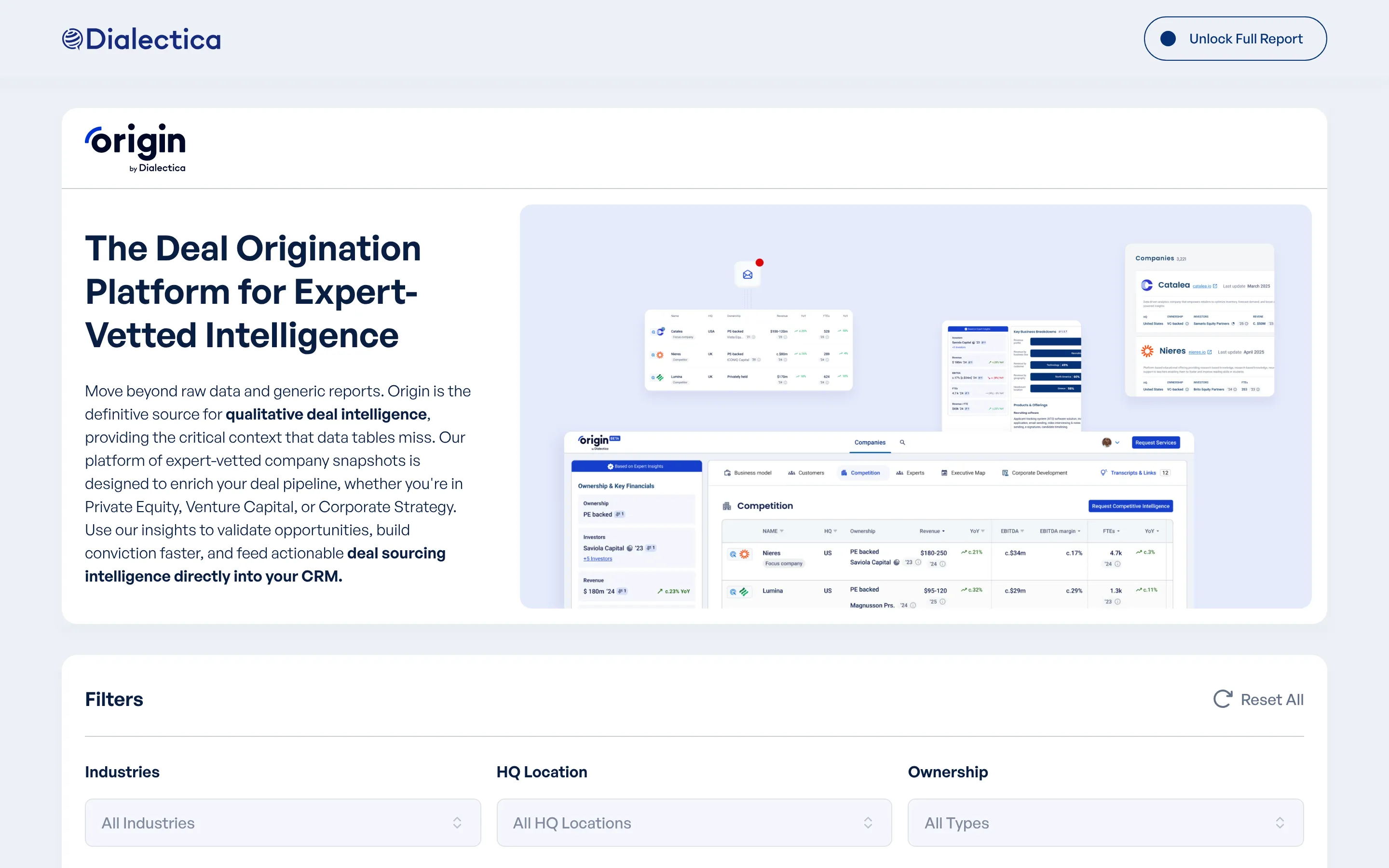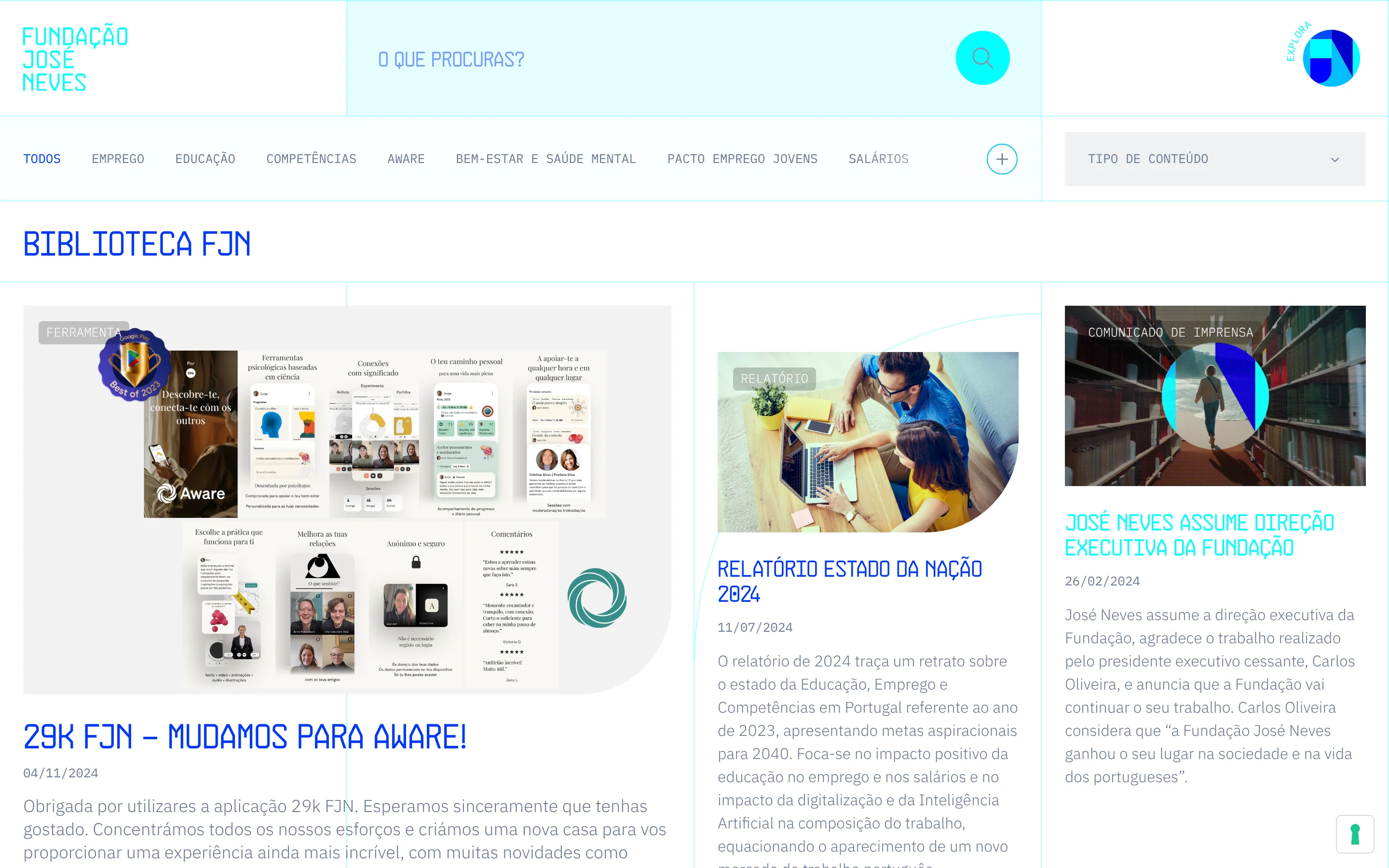
The José Neves Foundation website took four months. It launched on time, and all of it (the build, the animations, the migration scripts) was done by hand. That was before I worked with AI tools.
More recently, I moved Verakis Food Academy from Webflow to Craft CMS and Astro in four weeks. Dialectica’s job board went live in under three weeks. I didn’t start cutting corners. AI is now part of how I work, and I’ve spent 25 years learning what to ask it for.
This is how it works on client projects, and what I still do myself.
| Project | Time to launch |
|---|---|
| José Neves Foundation, all by hand | 4 months |
| Dialectica Origin, MVP | Under 2 months |
| Verakis Food Academy, full migration | 4 weeks |
| Dialectica Careers | Under 3 weeks |
What AI does, and what I decide
AI writes a lot of the code now: TypeScript, import scripts, React components, a good part of the debugging. On Dialectica Origin, I had a working prototype a few days after the first data export.
The decisions are still mine. On Origin, the first question was whether 10,000+ relational records could go into the Webflow CMS. They couldn’t, at least not properly. Working that out, and choosing an app on the same domain instead, was the real job. AI made the building faster once that was decided.
I don’t do what people call vibe coding. I know what I want, I say it clearly, and I follow the work from start to finish.
The rules come first
Before anything is built, I set what the project has to get right: accessibility, structured data, meta descriptions, how the content is modelled. Everything built afterwards follows those rules, so they’re not things to fix at the end.
Some rules go into the code itself. On my own site, the build fails if a fact I haven’t confirmed reaches a published page.
Checking the work
Everything gets reviewed. On migrations, that means checks I can trust. On Verakis, all 11 Webflow collections went into Craft, and a check compared the 1,217 Portuguese and French versions without a single difference. Every URL stayed as it was.
When I’m not convinced by a recommendation, I ask another model for a second opinion, often one from OpenAI. Then I make the call. Some research I asked for recently came back too narrow, focused on one service and one market. I redirected it, checked it against a second model, and only then used it.
01
Rules
Accessibility, structured data, metadata and content model, set before anything is built.
02
Build
AI writes much of the code, inside those rules.
03
Check
Every result is reviewed, and migrations are compared record by record.
04
Second opinion
When I'm not convinced, another model reviews it. Then I decide.
Options before code
For anything visual (animations, page transitions, interactions), I ask for two or three options before anything is implemented. I compare them, pick one and adjust it. It’s much faster than building one version, not liking it and starting again.
Working from an agency’s designs
This is where I think it helps agencies most. A lot of the design files I get have desktop layouts only. With AI in the process, I can produce the tablet and mobile versions from the existing design, make small adjustments and create the components that don’t exist yet, all in the same visual language.
When a Figma file comes without variables or a design system, I build that system in Figma first: colours, type and spacing as variables, and the components on top. Then the move to code follows the design closely, because the code and the file share the same tokens.
You keep the relationship with the client, and I answer for the technical side. That part hasn’t changed.
What it means for a project
Projects that used to take months now take weeks. Builds and migrations are usually 2 to 6 weeks, depending on the size of the site. I use AI openly, and I’m happy to tell any client where and how it’s used on their project.
The tools are available to everyone. What makes them useful is knowing what to ask, what to check and what to refuse. If you’d like to know how this would work on your site, let me know.
For agencies and designers
White-label, or alongside your studio.